Introduction
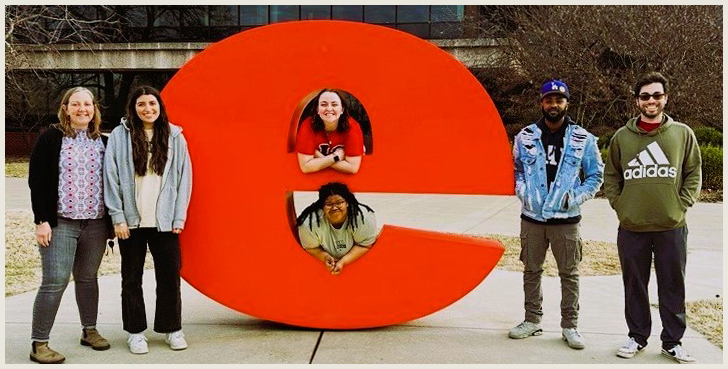
In spring 2024, I taught the implementation semester for CODE Scholars Madison Delgado, Arianna Grimes, Spencer Steele, Mary Underwood, and Stephen Watkins. The team was among the first cohort of CODE Scholars, and they had three faculty mentors prior to beginning our work together: Dr. Isaiah Smith (Sociology), Dr. Margaret Smith (History), and Dr. Masonya Bennett (Anthropology).
Faculty Mentor + CODE Scholars
Jessica DeSpain
Director of CODES
Madison Delgado
CODES Class of 2026
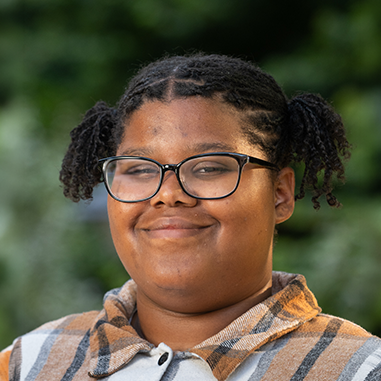
Arriana Grimes
CODES Class of 2026
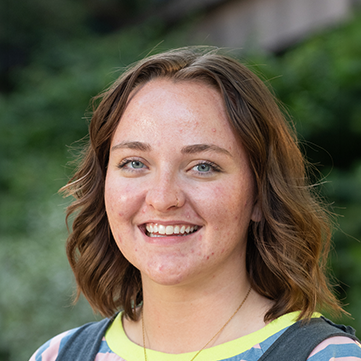
Mary Underwood
CODES Class of 2026
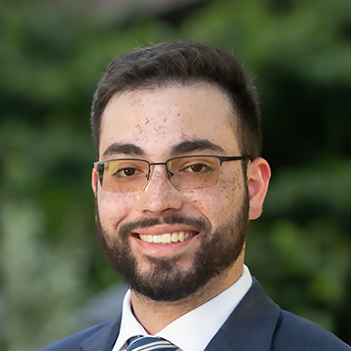
Spencer Steel
CODES Class of 2026
Topic Development
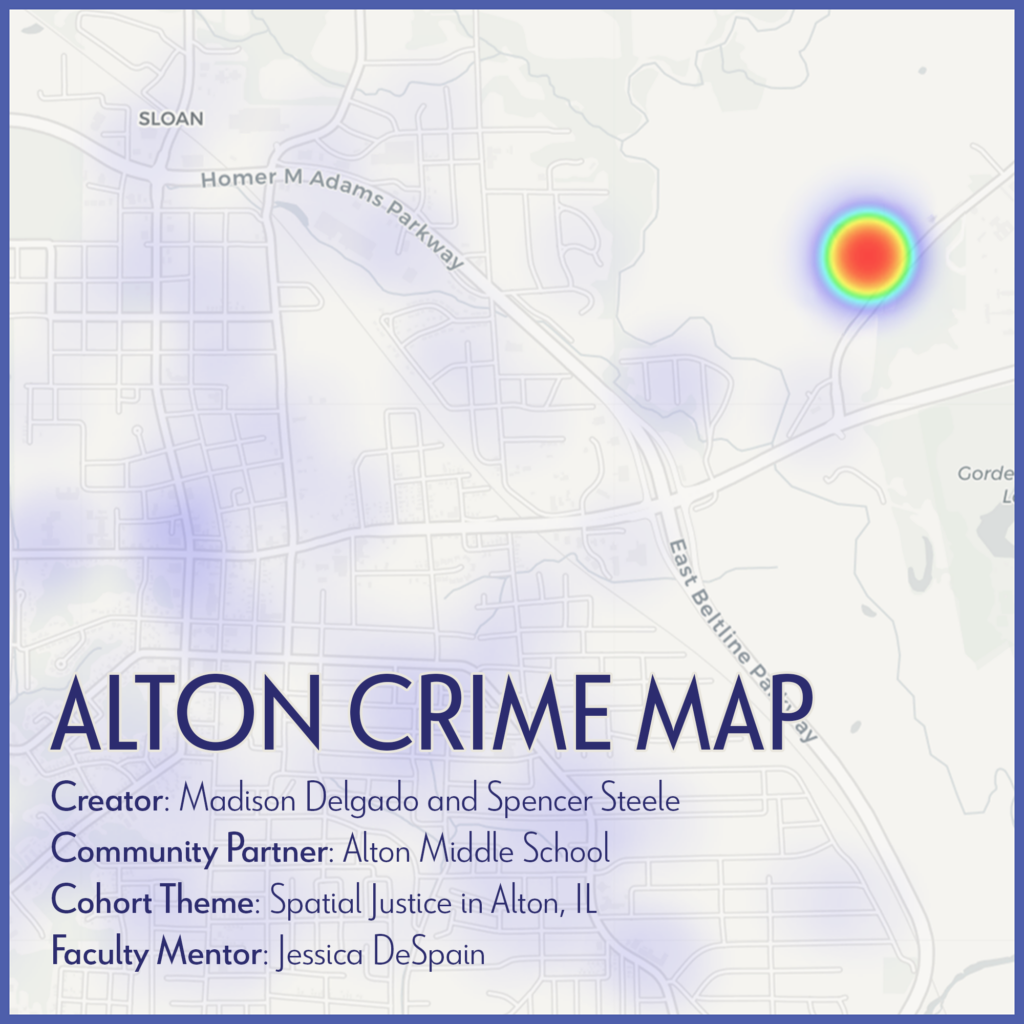
When we began our work, Alton’s rates of violent crime were 44% higher than the national average, according to the FBI’s Crime Data Explorer. CODE Scholars learned about the criminology of place, a subfield with literature arguing violence is disproportionately concentrated in high-poverty areas, often in neighborhoods or even specific sets of streets experiencing the systemic racism and classism of community disinvestment. Rather than focusing on policing, research shows pinpointing specific community investment interventions can address high rates of violence, which in turn counteract a variety of negative social and economic impacts. The Scholars developed a problem statement that helped them define what made the circumstances in Alton unique. Madison Delgado, who majors in criminal justice with plans to work as an investigator was particularly invested in ethically examining data about Alton using FBI crime reporting statistics.
Community Partners
YWCA of Southwestern Illinois, Alton Middle School, SIUE Center for Crime Science and Violence Prevention
Project Partners
In 2022, during their first semester at Southern Illinois University Edwardsville, the team began their project with the YWCA of Southwestern Illinois as their community partner. Their main contact was the YWCA director Dorothy Hummel. They learned about the YWCA’s priorities to address racism, support girls, and advance economic mobility. The scholars also learned from Dorothy that the YWCA was partnering with Dr. Anne Scheer from the Southern Illinois University School of Medicine to collect data on youth development and violence prevention in the city, with the goal of developing a plan to provide great support for young people in the city. Dr. Scheer had developed a strong partnership with Trudell Jones, a trusted member of the Black community in Alton, to help collect authentic narratives of young people’s experiences, as a part of her research.
For their implementation semester, the team partnered with Dr. Scheer, who had been working to collect data for the YWCA. She wanted some way to ethically have middle-school-aged children share their experiences with violence. Because I had previously worked with middle and high school students on the digital storytelling projects Digital East St. Louis and Conversation Toward a Brighter Future, I thought this might be a method for student at Alton Middle School to share their stories using artistic expression, make connections with other kids, gain some mentorship from CODE Scholars, and provide Ann with more youth voices commenting on their experiences with violence in the city.
Laying the Groundwork
To fund the project, I worked with Denis Mares from SIUE’s Center for Crime Science and Violence Prevention, who was able to provide $10,000 for stipends for the CODE Scholars, salary for an after school program teacher, support for Trudell Jones to recruit students, and nightly meals for participating middle school students.
I reached out to Joe Winkelmann, a middle school English teacher Alton who had worked with me on Conversation Toward a Brighter Future, to see if the district might be interested in partnering on the project. Joe put us in touch with the school principal and the superintendent, who approved the project. Each CODE Scholar went through a background check to work at the school, which we managed through SIUE’s human resources department. The middle school required a licensed teacher from the district to supervise students in the after school program, so the CODE Scholars worked with me to develop a job description, and interview four teachers. The students chose Amanda Beiser, who had deep connections with students in her role as a special education teacher. Her commitment to supporting individual students impressed the team. Luckily, Trudell Jones, who had previously worked with Dr. Scheer to interview students, was working at the middle school at the time as a monitor. He helped us recruit eleven middle school boys, from sixth through eight grade, who participated in the program. The CODE Scholars put together recruitment materials and developed the permission and consent documents required by the school and our program.
One of our biggest hurdles was achieving approval from SIUE’s institutional review board to assess the program. We had planned to start in the fourth week of the semester, but as we waited for the IRB Approval we began preparing materials for the program. Mary Underwood developed a post-survey to understand how the participants formed bonds as a result of our activities and what they might do to improve the program for future students, and we submitted our plans to the Institutional Review Board (IRB) to make sure our methods work ethical, especially as we were working with children. We planned to offer meals from Heaterz Chicken, a local favorite in Alton, and we worked with IRB to make sure we were not using undue coercion while still incentivizing their participation. As we waited, Arriana Grimes developed a weekly plan, Stephen Watkins wrote tutorials for the students about how to actually make their digital stories, Spencer Steele did additional research by examining Dr. Scheer’s raw data, and Madison Delgado developed a slideshow to help organize our weekly sessions. By the middle of the semester, our plans for the program and its assessment were approved.
IMPLEMENTATION
For the second half of the semester, we visited Alton eight afternoons in a row. We began each class period, with a half-hour check-in on campus, where we reviewed the last session, adapted as needed and went over our plans for the day.
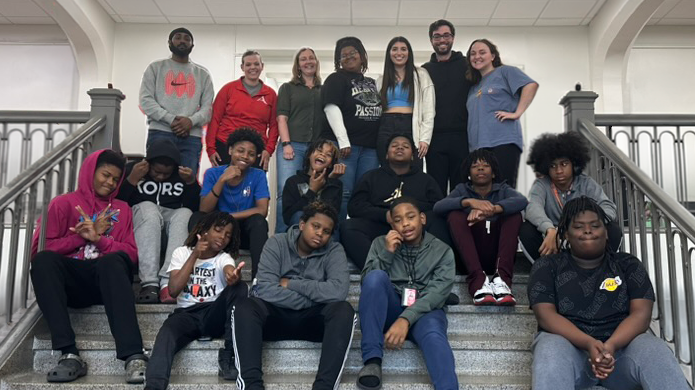
During our visits, we worked to establish a rapport with students, balance our time between fun and serious activities, and help students learn about how to tell a good story using digital tools. CODE Scholars realized quickly that they’d made assumptions about what middle school students would enjoy that weren’t quite on point. They also learned that classroom management in an afterschool setting can be a challenge and that it can be a real struggle to get students, especially middle school boys, to open up about their lives without having the appropriate time and atmosphere to build trust. At first the team wanted to hang back and didn’t want to take on leadership roles, but each week we met to discuss our progress and recalibrate our plans based on the previous weeks successes and missteps, and I watched Stephen develop a meaningful bond with the students, Mary and Arriana come into their own as a teacher who can lead a room, and Spencer and Madison learn to simultaneously collaborate and manage a project with ease. Despite the little time we had, the students were able to develop detailed stories that were finely tuned through Stephen’s help. Though they often didn’t talk about violence, they did reflect on what it was like to be a kid, why they loved basketball, and how much they loved their family. The students’ stories were shared at an exhibit of youth art at the Jacobi Arts Center later that spring. The team also presented heir work at the 2024 Undergraduate Scholar Showcase at SIUE.
PROJECT dissemination
In the CODE320 course, taught by Dr. Treasure Redmond, the CODE Scholars continued to reflect on and refine their previous work. The stories below are representative projects resulting from that process.